Transitioning into a UI/UX career from another field might seem daunting, but it’s entirely possible with the right strategy and mindset. The demand for UI/UX professionals is growing as businesses prioritise user experience to stay competitive. Whether you come from graphic design, marketing, psychology, or even an entirely unrelated field, you can leverage your existing skills to make a successful switch. This guide will walk you through the essential steps to transition smoothly into a UI/UX career.

Image Credit - Medium
1. Understanding the UI/UX Landscape
Before diving in, it’s crucial to understand what UI/UX entails. UI (User Interface) focuses on the visual and interactive elements of a product, while UX (User Experience) is about how users feel when interacting with a system. Both fields work together to create seamless, intuitive, and user-friendly digital experiences.
Key Differences Between UI and UX:
- UI Design: Deals with visual aspects like colour schemes, typography, buttons, and layouts.
- UX Design: Focuses on user research, wireframing, prototyping, and usability testing.
By gaining clarity on these roles, you can decide whether you want to specialise in UI, UX, or both.
2. Identify Transferable Skills from Your Current Career
Regardless of your background, you likely have valuable skills that can be applied to UI/UX. Identifying and leveraging these will make your transition smoother.
Common Transferable Skills:
- Graphic Design: If you have experience in graphic design, skills like visual hierarchy, typography, and colour theory are directly relevant to UI design.
- Marketing & Sales: Understanding user behaviour, market research, and persuasion techniques can enhance UX strategies.
- Psychology & Sociology: Knowledge of human behaviour, cognitive biases, and emotional responses is crucial for designing user-friendly experiences.
- Writing & Communication: UX writing and content strategy play a significant role in guiding users through an interface smoothly.
- Project Management & Business Strategy: Managing workflows, collaborating with teams, and understanding business goals are essential for UX professionals.
By recognising your strengths, you can position yourself as a valuable asset in the UI/UX industry.
3. Learn UI/UX Fundamentals
To transition successfully, you need to develop a strong foundation in UI/UX principles. Start by familiarising yourself with essential concepts through online courses, books, and hands-on practice.
Key Learning Areas:
- User Research & Personas – Understanding user needs and behaviours.
- Wireframing & Prototyping – Creating blueprints of digital interfaces.
- Information Architecture – Structuring content effectively for seamless navigation.
- Visual Design & Branding – Creating aesthetically pleasing and functional designs.
- Usability Testing & Iteration – Continuously improving designs based on user feedback.
Consider enrolling in UI/UX courses from platforms like Kaarwan’s Advanced UI/UX Design Course, which provides hands-on training and real-world projects to build expertise.
4. Master UI/UX Design Tools
Practical experience with industry-standard tools is essential for breaking into UI/UX. Some of the most commonly used tools include:
- Figma & Sketch – For designing interfaces and prototypes.
- Adobe XD – For wireframing and interactive prototyping.
- InVision – For user testing and collaboration.
- Miro & FigJam – For brainstorming and user journey mapping.
- Google Analytics & Hotjar – For analysing user behaviour and refining UX strategies.
Gaining proficiency in these tools will make you more competitive in the job market.

UI/UX Design Tools
Image Credit - Toptal
5. Build a UI/UX Portfolio with Real-World Projects
A well-crafted portfolio is essential to showcase your skills to potential employers. If you’re transitioning from another field, you might not have direct UI/UX experience. However, you can build a portfolio by working on personal projects, redesigning existing websites, or collaborating with startups.
Steps to Create an Impressive Portfolio:
- Select 3-5 Strong Projects – Choose projects that demonstrate your problem-solving skills and design thinking.
- Showcase Your Process – Employers value seeing how you approach a design challenge, from research to final implementation.
- Include Case Studies – Provide in-depth explanations of your projects, including user research, wireframes, and final results.
- Host Your Portfolio Online – Platforms like Behance, Dribbble, and personal websites (e.g., Wix or Webflow) are great for displaying your work.
If you need real-world experience, consider freelancing, volunteering, or joining hackathons to build practical UI/UX projects.
6. Gain Hands-On Experience with Internships or Freelancing
Practical experience will give you an edge when applying for jobs. Consider starting with:
- Freelancing on Platforms like Upwork, Fiverr, or Toptal.
- Applying for UI/UX Internships at startups or agencies.
- Participating in Open-Source Projects to gain real-world exposure.
These opportunities will help you refine your skills, gain client experience, and enhance your portfolio.
7. Network with UI/UX Professionals
Networking plays a crucial role in career transitions. Engage with the UI/UX community by:
- Joining LinkedIn & Facebook Groups dedicated to UI/UX design.
- Attending Design Conferences & Meetups such as Adobe MAX or UXDX.
- Engaging on Twitter & Medium by following industry leaders.
- Seeking Mentorship from experienced UI/UX designers.
Building connections can lead to job referrals, collaborations, and valuable insights.
8. Apply for UI/UX Jobs Strategically
Once you’ve built your skills and portfolio, start applying for UI/UX roles. Tailor your resume and cover letter to highlight your transferable skills and design projects.
Job Search Tips:
- Apply for Junior & Entry-Level UI/UX Roles to gain experience.
- Consider Hybrid Roles like Product Designer or UX Researcher if they align with your background.
- Highlight Problem-Solving Skills in interviews to demonstrate your design thinking.
- Be Open to Learning & Feedback to grow as a UI/UX professional.
With persistence and a strategic approach, you can successfully transition into the UI/UX industry.
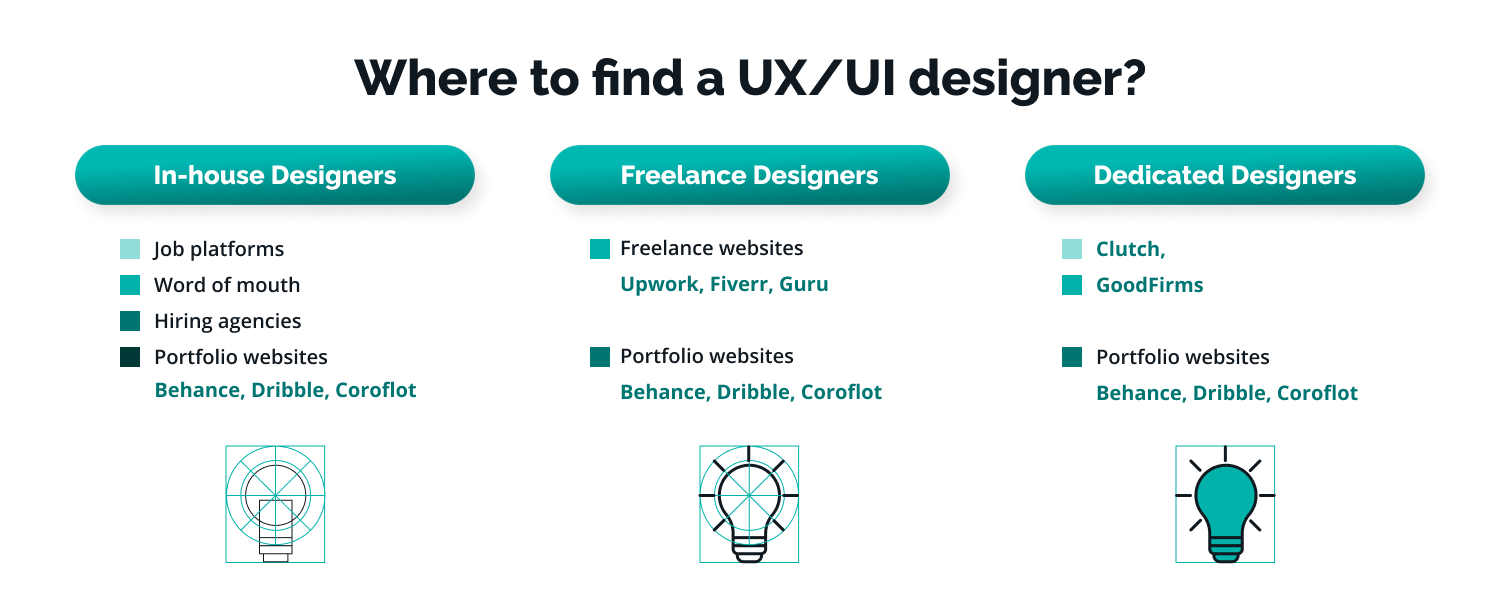
Image Credit - TechMagic
What you'll learn:
- Learn from industry experts and master practitioners.
- Engage in hands-on, project-based learning experiences.
- Connect with a vibrant community of creatives and professionals.
- Receive a certificate to boost your portfolio and credentials.
Conclusion
Switching to a UI/UX career is challenging but rewarding. By leveraging your existing skills, gaining hands-on experience, and building a strong portfolio, you can position yourself as a competitive candidate in this thriving industry. Stay curious, keep learning, and immerse yourself in the UI/UX community to accelerate your transition.
Elevate your career with hands-on UI/UX expertise! Master intuitive design, user research, and prototyping to create seamless digital experiences.
Join Kaarwan’s UI/UX Design Course today and make your mark in the industry!
FAQs
1. Can I transition to UI/UX without a design background?
Yes! Many successful UI/UX designers come from non-design backgrounds like psychology, marketing, and engineering.
2. What’s the fastest way to learn UI/UX?
Taking online courses, practising with real projects, and engaging in UI/UX communities can accelerate your learning process.
3. How long does it take to transition into a UI/UX career?
The time frame varies, but with dedicated learning and practice, you can become job-ready in 6-12 months.
4. Do I need a degree in UI/UX design?
No, employers value skills and portfolios more than formal degrees.
5. How do I get my first UI/UX job with no experience?
Start by working on personal projects, freelancing, networking, and applying for entry-level roles to gain experience.